

People open shopping apps with a goal in mind. One person might be looking for running shoes, while another could be a retailer comparing wholesale nicotine pouches for their store. Different products, same basic expectations: easy search, clear product details, and no surprise delivery fees at checkout.
A mobile application development company can help retailers bring all of this together while keeping the storefront connected to the systems behind it.
So, what should a good app include?
1. Easy sign-up and login
Let people browse before signing in. Offer email, passkeys, or another familiar login option. Most importantly, allow guest checkout. Buying a pair of shoes shouldn’t require filling out a profile first.
2. Search and filters that work
People search by brand, product, or vague descriptions. Handle typos and show useful results. Filters for size, price, color, and stock help people narrow the list. Make applied filters easy to remove.
3. Clear product information
Use real photos, plain descriptions, prices, sizes, and key specs. Put stock status, delivery details, and return terms within easy reach. Customer reviews can answer questions product copy misses.
4. A simple shopping cart
Let shoppers change quantities, remove items, or save them for later. Keep discounts, taxes, shipping, and the final total visible. Nobody likes discovering extra charges just before paying.
5. A straightforward checkout
Keep forms short and support address autofill. Make delivery and pickup easy to compare. Show an estimated arrival date when possible. If something goes wrong, explain the error without clearing their details.
6. Payment options people trust
Offer cards, digital wallets, and payment methods people use in your market. If a payment fails, nobody should have to guess whether they were charged.
7. Order tracking and notifications
Show each order stage, from confirmation to delivery. Send useful alerts for shipping changes or saved items back in stock. Let people control promotional notifications. Too many messages can turn a helpful feature into a nuisance.
8. Wishlists and recommendations
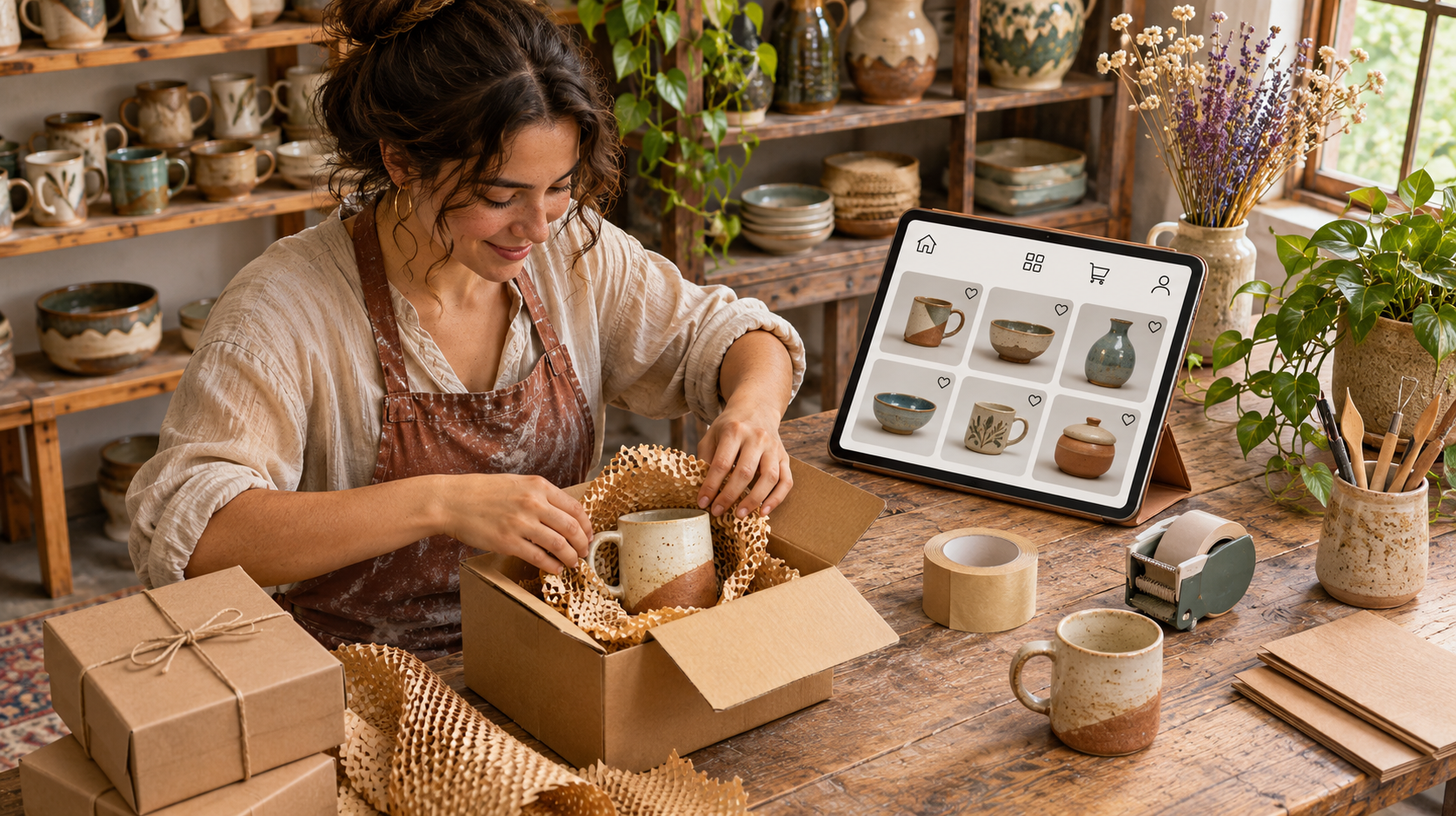
A wishlist lets someone save a product without buying it right away. Suggest matching items when useful. Personalization should be useful, not creepy. Give users a say in how their activity shapes recommendations.
9. Reviews and ratings
Let buyers leave ratings, write reviews, and share photos. Make negative reviews visible too. A shoe review about fit can beat polished product copy.
10. Accounts and loyalty rewards
Keep order history, saved addresses, receipts, and refund updates in one place. Make repeat orders easy. Add points or referral rewards if customers want them.
11. Live stock and store pickup
Sync stock so customers don’t order sold-out items. If you run physical stores, add a store locator, local availability, and click-and-collect. Tell shoppers when an order is ready for pickup.
12. Easy returns and real support
Allow returns from order history, with clear steps and refund tracking. An FAQ can cover basic questions. Chatbots may help shoppers compare products, but customers should be able to reach a person when an order goes wrong.
13. Admin tools and analytics
Your team needs to manage products, prices, orders, and offers. Connect the app with existing inventory, payment, and customer systems. Track abandoned carts, popular products, and repeat orders. Use the numbers to fix weak spots.
14. Security, speed, and accessibility
Protect customer data with secure APIs and regular updates. Keep the app quick, even on slower connections. Use readable text, clear buttons, and screen reader support. Make privacy settings clear.
You don’t need everything at launch
Start with the basics: search, product pages, cart, checkout, payments, and order updates. Add loyalty tools or advanced recommendations when there’s a clear reason.
Before launch, ask someone new to try the whole journey: find a product, buy it, and track the order. Watch where they get stuck. That’s usually more useful than adding another feature.