

Smart cities use technology to improve daily life, including transportation, infrastructure, and sustainability. As urban populations grow, they face challenges like traffic congestion, pollution, and limited parking.
To solve these problems, new mobility solutions are essential. Among these, car rental apps have become a revolutionary, convenient, and affordable alternative to owning a private car. These apps give users on-demand access to vehicles for short trips, daily commutes, or long-distance travel — whether you need a compact car for city driving or want to select the right model of family SUVs for a weekend getaway, all without the financial burden of ownership.
Car rental apps in smart city mobility
As cities become smarter, the need for efficient transportation is critical. Car rental apps fill this gap by offering flexible, cost-effective, and sustainable mobility options that reshape urban navigation. A reliable car rental app development company is key to building these user-friendly platforms.
1. Improving urban mobility
Traffic congestion is a major problem in urban areas. Car rental apps give users convenient access to vehicles for a few hours or days, reducing the need for car ownership. This model can decrease the number of cars on the road, leading to better traffic flow and freeing up urban space.
2. Encouraging sustainable transport
Smart cities prioritize green solutions. Car rental apps often include electric (EV) and hybrid vehicles in their fleets, helping lower carbon emissions. Car-sharing services, where multiple passengers use one vehicle, further reduce fuel consumption. Some agencies also incentivize EV rentals with lower fees or reserved parking.

3. Minimizing parking problems
With car rental services, customers rent vehicles only when needed, reducing the demand for parking. Many rental firms partner with cities to create designated pick-up and drop-off points, optimizing parking usage and freeing up land for public spaces like parks.
4. Increasing cost-effectiveness
Owning a car involves expenses like maintenance, insurance, and fuel. Car rental apps reduce these costs, as users only pay for what they use. This provides flexibility and savings, allowing users to choose the right car model for each trip, whether it’s a small car for a solo journey or a larger one for a family outing.
5. Integrating with smart city infrastructure
Car rental apps integrate with smart city technologies like real-time traffic data, GPS, and digital payments. This creates a smooth rental experience, helping users find cars, select optimal routes, and pay without cash. Some cities are linking rental apps with public transit, allowing seamless switching between buses, trains, and rental cars.
6. Facilitating tourism and business travel
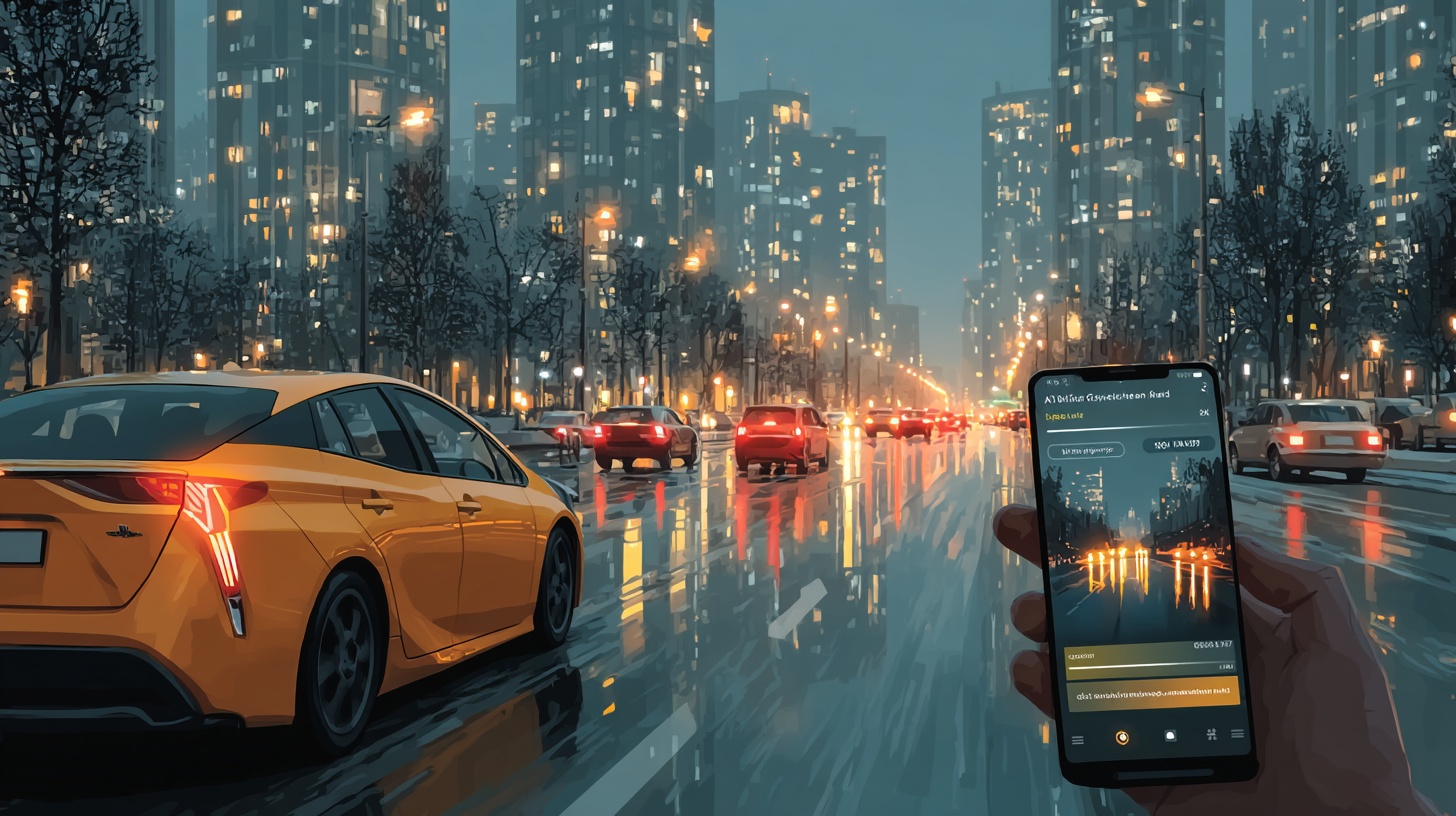
For tourists and business travelers, car rental apps are more convenient than traditional services. They offer easy booking, flexible rental periods, and live vehicle tracking, improving the travel experience. Many companies partner with hotels and travel agencies to offer customized rental packages, making it easier for visitors to explore.
7. Enhancing safety and security
Modern car rental apps prioritize safety with features like driver verification, GPS tracking, and emergency assistance. These measures create a safer, more reliable transportation option. Many apps also include insurance coverage, giving users peace of mind.
8. Driving economic growth
The car rental industry creates jobs in fleet management, app development, and customer support. It also supports local economies by providing transport for logistics and daily commutes. The growth of subscription-based rentals may further stimulate economic activity as more people opt for long-term packages over ownership.
9. Reducing private car ownership
As fuel prices rise and congestion worsens, urban residents are seeking alternatives to car ownership. Rental apps offer an affordable and convenient solution, helping reduce the number of private vehicles on the road. This can make cities more walkable and improve residents’ quality of life.
10. Future innovations in car rental technology
The future of car rental apps includes integrating autonomous vehicles, AI-powered route planning, and blockchain-based contracts. Self-driving rental cars could further reduce the need for car ownership, while AI can help customers select the most efficient transport. As smart cities develop, car rental apps will become a key part of a unified urban mobility experience.